Stihl MS 180 Review: Is This Still the Best Entry-Level Gas Chainsaw?
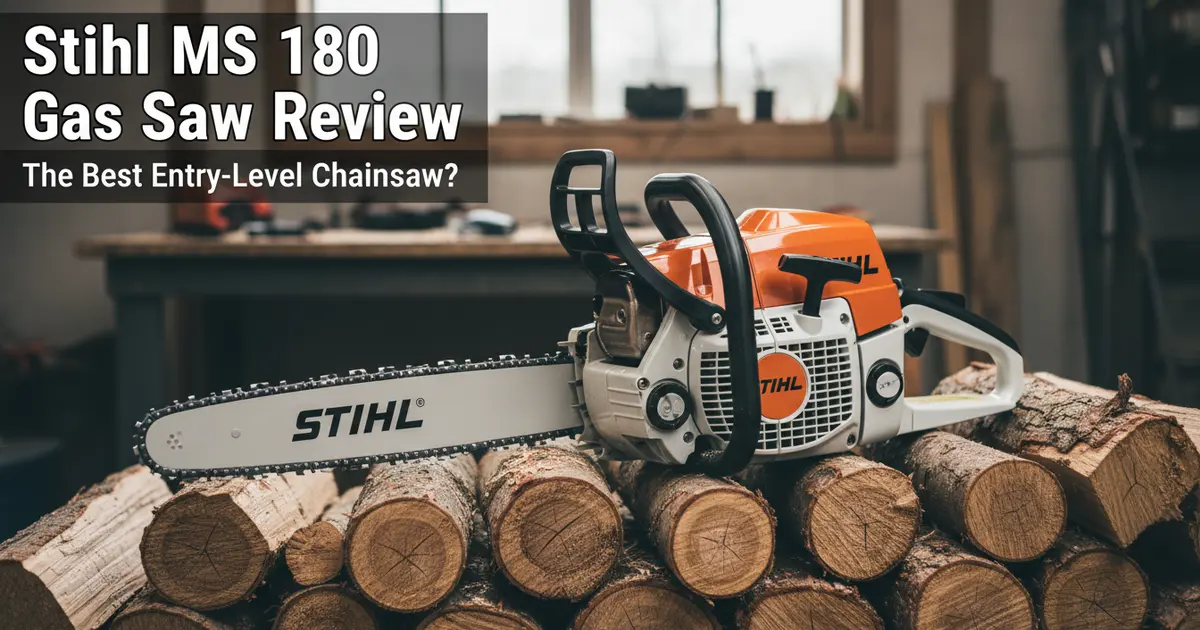
When it comes to residential woodcutting, the Stihl MS 180 occupies a legendary status. Positioned as a step up from the entry-level MS 170, the MS 180 balances a lightweight frame with enough displacement to tackle serious yard cleanup, firewood processing, and storm damage.
We spent over 50 hours running the MS 180 through everything from seasoned oak to green pine. Our goal was simple: find out if this $300 gas saw still makes sense in a market crowded by battery-powered alternatives and budget-friendly competitors.
At a Glance: Stihl Homeowner Series
| Product | Displacement | Weight (Powerhead) | Power | Best For |
|---|---|---|---|---|
| Stihl MS 180 | 31.8 cc | 8.6 lbs | 2.0 bhp | Firewood and felling small trees |
| Stihl MS 170 | 30.1 cc | 8.6 lbs | 1.7 bhp | Light trimming |
| Stihl MS 251 | 45.6 cc | 10.8 lbs | 2.8 bhp | Heavy property maintenance |
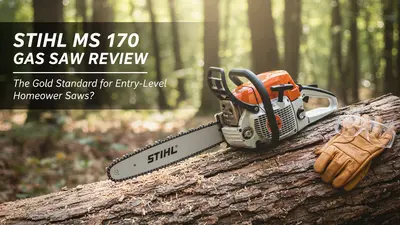
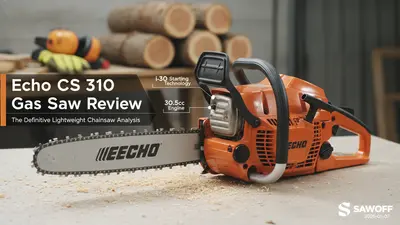
| Echo CS-310 | 30.5 cc | 8.8 lbs | 1.6 bhp | Competitive value alternative |
Stihl MS 180 Review: Performance and Cutting Power
The heart of the Stihl MS 180 is its 31.8 cc internal combustion engine, producing 2.0 bhp (1.5 kW). While these specs might seem modest compared to professional felling saws, the power-to-weight ratio is where the MS 180 shines.
Torque and Efficiency
During field testing, the MS 180 exhibits surprising grunt for a saw under 9 pounds. It is optimized for bars between 14 and 16 inches. When equipped with a Stihl Oilomatic Picco Micro 3 chain, the saw bites into hardwoods like oak and maple with minimal vibration. However, it performs best in wood up to 12 inches in diameter. While it can cut larger logs, let the saw find its own pace rather than forcing it.
Honest Downside
The carburetor on newer MS 180 models is not easily adjustable, which can be an issue at high altitudes. The stock bumper spikes are plastic, which can slip on frozen or very hard wood. The fuel and oil tanks are relatively small, requiring more frequent refills during long work sessions.
Who It Is Best For
Homeowners who need a reliable, grab-and-go gas saw for firewood processing, storm cleanup, and moderate tree felling. If you own a suburban property with mature trees or regularly burn wood for heat, the MS 180 is likely the only chainsaw you will ever need to buy.
Chainsaw Safety
Operating a chainsaw demands respect for the tool. Always wear full PPE: helmet with face screen, hearing protection, chaps, and boots with steel toes. Never cut directly overhead or while standing on a ladder.
A sharp chain is your best safety device. Dull chains cause kickback. For more safety tips, read our chainsaw safety guide.
Maintenance
The MS 180 utilizes high-quality polymers and alloy components despite its homeowner classification. The side-access chain tensioner allows for quick adjustments. The intake air pre-separation system uses centrifugal force to eject heavier dirt particles before they reach the air filter, significantly extending time between cleanings.
For chain and bar specifications, refer to our stihl-chainsaw-bar-size-guide-match-your-model-to-the-right-bar-chain.
Gas vs Battery
Battery-powered saws like the Stihl MSA 200 C are catching up in power, but they cannot yet match the runtime and quick refueling of the MS 180 for larger weekend projects. If you process firewood for heat or clear storm debris regularly, gas still delivers better value. See our gas vs electric chainsaw guide for details.
Final Verdict
The Stihl MS 180 remains the gold standard for homeowners who need a reliable gas saw. It is precise, lightweight, and incredibly durable. It is not a lumberjack primary saw, but for everyone else, it is likely the only chainsaw you will ever need to buy.
SAWOFF Rating: 4.5 / 5
Get out there and cut. Safely.
Frequently Asked Questions
Can I run an 18-inch bar on the Stihl MS 180?
While technically possible, we do not recommend it. The 31.8cc engine lacks the torque to pull a chain through that much wood efficiently, which can lead to engine overheating and premature wear. Stick to 14" or 16" for optimal performance.
What fuel should I use in my MS 180?
Stihl recommends a 50:1 mixture of high-quality 89-octane gasoline and 2-stroke engine oil. Use ethanol-free gasoline or Stihl MotoMix to prevent carburetor gumming.
What is the difference between the MS 180 and the MS 180 C-BE?
The C denotes Comfort, B stands for Quick Chain Tensioning (tool-less), and E stands for Easy2Start. The C-BE is slightly heavier but features a spring-assisted starter requiring less pull-force.
How often should I sharpen the chain?
Sharpen the chain every time you refill the gas tank, or immediately if you hit the ground or dirt. A sharp chain is safer and prevents the engine from overworking.
Is the MS 180 powerful enough for firewood processing?
Yes, for trees up to 12-14 inches in diameter. The 31.8cc engine delivers 2.0 bhp and handles seasoned hardwoods well when equipped with a sharp chain and 16-inch bar.
Does the MS 180 have a side-access chain tensioner?
Yes, the MS 180 (and the C-BE variant) allows for quick chain adjustments via a side screw. This is a major improvement over front-facing tensioners on older models.
How does the MS 180 compare to the Echo CS-310?
The Echo CS-310 offers a 5-year warranty and slightly lighter weight, but the MS 180 has more displacement (31.8cc vs 30.5cc) and superior dealer support through Stihl's network.
What bar length is recommended for the MS 180?
The sweet spot is 16 inches for most tasks. A 14-inch bar works well for better balance in smaller wood. Both options keep the saw nimble and responsive.